



Virtual asset Tokenization: To tokenize is to turn value and rights into a virtual asset that can move across web3 rails—often including RWA alongside onchain primitives like Stablecoins. In practice, tokenized systems tend to Decentrailized coordination through programmable rules, with ecosystems such as Ethereum shaping performance, costs, and developer tooling. Follow #Tokenization and explore more at TokenizedPlatform.com.
- Investor trust in tokenized platforms built on Ethereum
- Understanding Tokenization and Its Benefits
- Key Features of Ethereum-Based Platforms
- Factors Influencing Investor Trust
- Challenges and Risks in Tokenized Investments
- Future Trends in Tokenization and Ethereum
Investor trust in tokenized platforms built on Ethereum
Investor trust in tokenized platforms built on Ethereum is fundamentally reshaping how people engage with assets in the digital economy. Tokenization, which refers to the process of converting rights to an asset into a digital token on a blockchain, facilitates fractional ownership, enhances liquidity, and opens up investment opportunities that were previously inaccessible or cost-prohibitive. Given Ethereum’s robust, smart contract-enabled framework, it stands out as a preferable platform for such innovative ventures. The trust that investors place in these tokenized platforms hinges on key attributes intrinsic to the Ethereum ecosystem, including transparency, security, and the potential for regulatory compliance.
In the landscape of digital investments, transparency acts as a critical pillar for establishing credibility. Ethereum leverages its blockchain technology to provide a public ledger where all transactions are recorded and verifiable. This level of openness is appealing to investors who demand assurance that their assets are legitimate and that business practices are straightforward. Unlike traditional investment vehicles, where opaque processes often lead to skepticism, tokenized platforms can provide real-time insights into asset performance and transactional integrity, thereby reinforcing investor trust.
Moreover, the implementation of rigorous audits further enhances investor confidence. Most tokenized platforms built on Ethereum conduct regular audits, both internal and external, to verify the accuracy of their financial statements and ensure compliance with industry best practices. These audits serve multiple purposes: they not only bolster transparency but also help to identify and mitigate potential risks before they can affect investors. By showcasing a commitment to ethical and efficient operations, tokenized platforms effectively nurture a trustworthy relationship with their investors.
Moreover, effective investor relations strategies are vital for fostering trust in tokenized platforms. Engaging transparently with potential and existing investors through clear communication about product offerings, risks, and market positioning is essential. By actively providing insights into the tokenization process and emphasizing the advantages it delivers, platforms can alleviate uncertainties and cultivate a loyal investor base. The combination of transparency, audits, and investor communications facilitates a more informed and engaged investor community, ultimately leading to stronger market performance.
However, it is essential to acknowledge that despite the numerous advantages, investor trust can be fragile. Concerns surrounding price volatility, regulatory changes, and underlying technological risks are intrinsic to the realm of tokenized investments. Investors must navigate a landscape where the promise of high returns exists alongside significant uncertainties. This dichotomy emphasizes the necessity for tokenized platforms to prioritize security measures and maintain an ongoing dialogue with their investors.
Investor trust in tokenized platforms built on Ethereum is a multi-faceted construct that relies on transparency, audits, and robust investor relations. As the digital economy continues to evolve, key stakeholders will need to maintain their focus on creating a reliable ecosystem that addresses investor concerns, adheres to best practices, and embraces the transformative potential of tokenization.
Understanding Tokenization and Its Benefits
Tokenization operates by transforming the ownership rights of physical or digital assets into digital tokens that reside on a blockchain, notably Ethereum. This process begins with the identification of an asset, which can range from real estate to artworks, securities, or even future cash flows. Once the asset has been defined, its ownership rights are represented as a token, allowing for structured and simplified transactions. The token effectively embodies the value and rights associated with that asset, which can be bought, sold, or traded with ease.
One of the core advantages of tokenization is the facilitation of fractional ownership. Traditionally, investing in high-value assets such as real estate or fine art often required substantial capital, limiting accessibility to a select group of investors. With tokenization, these high-value assets can be divided into smaller, more affordable tokens, allowing a broader base of investors to buy into these opportunities. For instance, a luxury property worth $1 million can be tokenized into 1,000 tokens worth $1,000 each, thus enabling multiple investors to hold a stake in the asset and benefit from its appreciation or rental income.
In practice, the operation of a tokenized platform hinges on smart contracts, self-executing contracts with the terms of the agreement directly written into code on the Ethereum blockchain. Smart contracts facilitate automated, trustless operations, streamlining processes such as the transfer of ownership, collection of dividends, and distribution of profits among token holders. By eliminating the need for intermediaries such as brokers or banks, smart contracts not only expedite transactions but also reduce costs associated with traditional asset transfers. This programmability enhances the overall efficiency of asset management and operational governance on tokenized platforms, reassuring investors about the security and timely execution of their transactions.
Settlement processes on tokenized platforms built on Ethereum become instantaneous due to the nature of blockchain technology, which allows for transactions to be verified and recorded in real-time. This rapid settlement reduces counterparty risk, where the fear of non-performance by any party to a transaction is significantly lowered. Additionally, blockchain’s immutable ledger ensures that once a transaction is recorded, it cannot be altered or deleted, contributing to overall trust and security in the system.
Furthermore, decentralized governance structures are often integral to the functionality of Ethereum-based tokenized platforms. Many of these platforms incorporate decentralized autonomous organizations (DAOs), which empower token holders to partake in the decision-making processes related to the platform’s operations. This governance model ensures that the interests of the community are represented and allows investors to vote on crucial factors such as changes in platform policies, usage of funds, and future project directions, fostering a sense of ownership and involvement among investors.
Ultimately, the mechanics of tokenization, underscored by transparency, programmable ownership through smart contracts, instantaneous settlement, and decentralized governance, provide a robust framework that not only enhances operational efficiencies but also builds the foundation for investor trust in tokenized platforms on Ethereum. By leveraging these mechanics, these platforms can offer innovative investment opportunities that align closely with the evolving expectations of modern investors.
Key Features of Ethereum-Based Platforms
The Ethereum blockchain serves as a cornerstone for innovative tokenized platforms by providing a range of key features that enhance functionality and user experience. At the heart of these features lies the capability for smart contracts, which are automated agreements that execute transactions once predetermined conditions are met. This technology not only streamlines processes but also establishes a trustless environment where parties can engage without the need for intermediaries, reducing the potential for disputes and fraud.
A notable example of a tokenized platform leveraging Ethereum’s smart contracts is the real estate marketplace, Propy. This platform enables users to buy and sell properties through the issuance of tokenized ownership shares, simplifying transactions and allowing for fractional ownership. By utilizing smart contracts, Propy ensures that transactions are compliant with local laws and that ownership rights are automatically transferred upon completion of sale, showcasing the efficiency and reliability of blockchain technology.
Another defining characteristic of Ethereum-based platforms is their focus on transparency. Each transaction executed on the blockchain is recorded on a public ledger, which can be accessed and verified by anyone. This level of visibility is significant in fostering investor confidence, as it allows investors to track ownership history, transaction integrity, and the overall health of the platform. For example, platforms like Myco provide transparency in the issuance of asset-backed tokens, allowing investors to view real-time data on underlying assets, thus creating a secure and informed investment environment.
Moreover, the modularity of Ethereum allows for the integration of various decentralized finance (DeFi) products into tokenized platforms, expanding their appeal and functionality. By facilitating staking, lending, and yield-generating opportunities, these platforms enable investors to utilize their token holdings more effectively. An example can be seen in Aave’s liquidity protocol, where users can deposit their tokens into a lending pool, earning interest while maintaining ownership of the underlying asset through tokenization. This multifaceted approach promotes engagement and diversifies the financial products available to investors on tokenized platforms.
Interoperability is another critical feature inherent to Ethereum, allowing different tokenized platforms to communicate and exchange value seamlessly across networks. This versatility means that assets can be easily moved or transformed, encouraging liquidity in the marketplace. Platforms like 0x API exemplify this by enabling decentralized exchanges with the flexibility to integrate various tokens, thus broadening the potential for investment opportunities and enhancing market access for investors.
Additionally, the emphasis on regulatory compliance is a significant advantage for Ethereum-based tokenized platforms. Many of these platforms proactively engage with regulatory bodies to ensure their operations meet legal standards, which further builds trust with investors. The introduction of frameworks like the ERC-1400 standard for security tokens demonstrates an evolution in compliance measures that accommodate varying regulations while maintaining a focus on transparency and security.
In promoting investor relations, these platforms often incorporate educational resources and community engagement strategies. Providing clear and accessible information about the tokenization process, as well as regular updates on platform performance and governance decisions, ensures that investors remain informed and engaged. Platforms such as TokenSoft exemplify this practice by offering comprehensive guides that communicate the intricacies of tokenization and the benefits of participating in their ecosystems.
These key features—smart contracts, transparency, modular DeFi integration, interoperability, regulatory compliance, and strong investor relations—collectively define the success of Ethereum-based tokenized platforms while fostering an environment of trust and reliability. By continually innovating and adapting to the needs of investors, these platforms are well-positioned to shape the future of investment in the digital asset landscape.
Factors Influencing Investor Trust
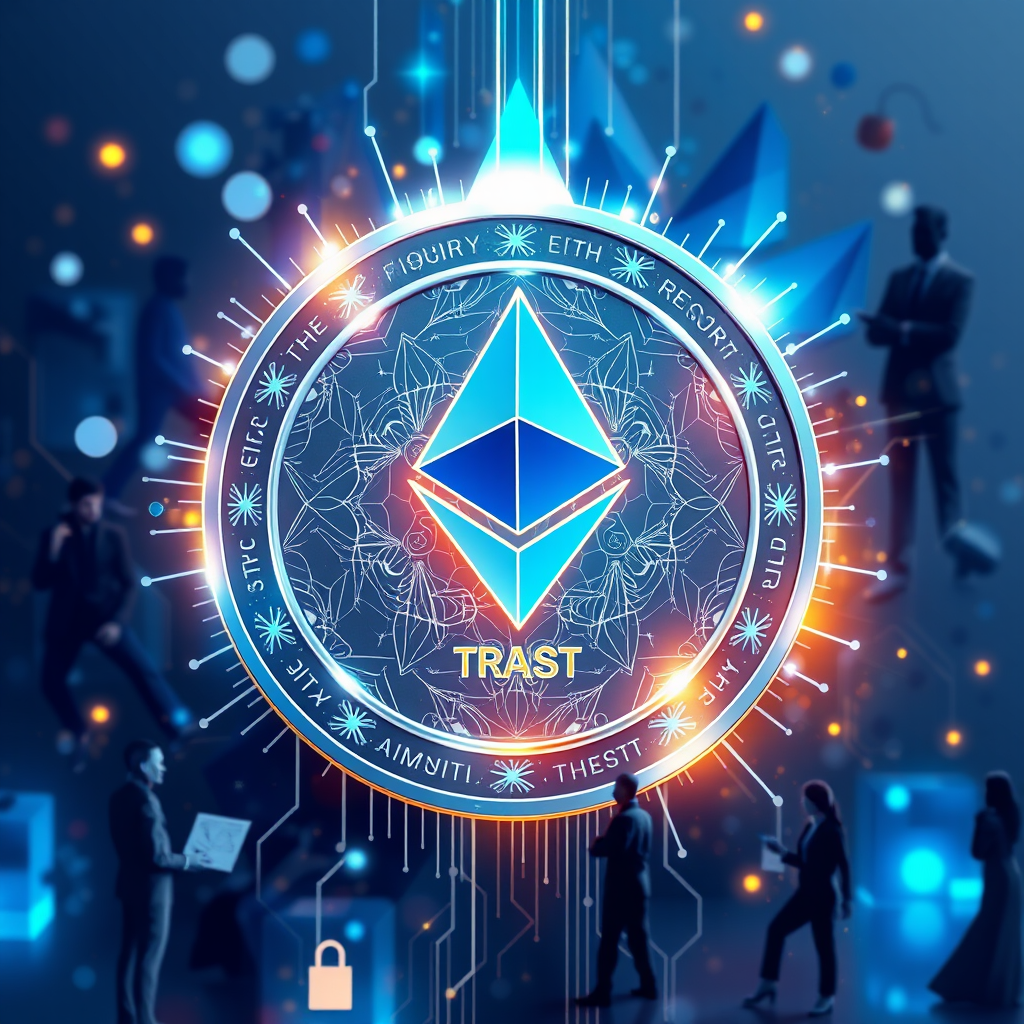 The economic and strategic implications of investor trust in tokenized platforms built on Ethereum are profound, influencing both market behavior and individual investment decisions. At the core, the dynamics of incentives shape how investors interact with these platforms. For instance, the ability to partake in fractional ownership transforms traditionally inaccessible assets into viable investment opportunities for a broader audience, thereby enhancing liquidity and attracting diverse investors. This democratization of investment serves as a potent incentive, enticing individuals who might have previously been sidelined by high capital requirements to participate in the market.
Moreover, the liquidity provided by tokenized platforms is a critical element in maintaining investor trust and engagement. Unlike traditional asset classes that may require prolonged periods for buying or selling due to the need for intermediaries or the illiquid nature of the assets, tokenization facilitates swift trades through blockchain technology. As asset ownership is encoded as smart contracts, transactions are conducted seamlessly, allowing investors to quickly liquidate their holdings if necessary. The promise of instant execution and reduced friction in trading leads to increased confidence among participants, reinforcing trust in the platform’s capabilities.
The market structure surrounding Ethereum-based tokenized platforms also plays a strategic role in shaping investor trust. Competition among platforms fosters a healthy environment where platforms continually strive to innovate and enhance their offerings. Consequently, increased competition drives improvements in operational efficiencies, security measures, and transparency protocols. Platforms that prioritize ethics and transparency often gain a competitive edge, attracting savvy investors who are eager to engage with operations that are ethical and accountable.
Despite these advantages, the risks associated with tokenized investments are palpable. Investors face volatility inherent in the markets, where abrupt price shifts can lead to significant financial impacts. Additionally, the underlying technology can pose threats; vulnerabilities in smart contracts can lead to hacks and loss of funds, deterring individuals from investing their capital. Therefore, platforms that implement effective security measures, conduct regular audits, and maintain a robust security framework have a better chance of assuaging investors’ fears. By prioritizing risk management, these platforms can create an environment where investors feel secure enough to invest substantial amounts of capital.
Emerging regulatory considerations further complicate the landscape of tokenized platforms, especially as governments and financial authorities around the world establish frameworks aimed at protecting investors. Compliance with laws concerning securities, anti-money laundering, and consumer protection are becoming increasingly pivotal to maintaining investor trust. Tokenized platforms must navigate a labyrinth of regulatory frameworks, often varying by geography, which necessitates staying ahead of changing laws to remain operationally viable. Platforms that proactively engage with regulators and embrace compliance initiatives can substantially enhance their credibility, thus fostering greater trust among investors.
Furthermore, the ongoing development of industry standards will catalyze investor confidence in tokenized platforms. The establishment of protocols such as ERC-1400 reflects a commitment to security and transparency, ensuring that tokens can meet regulatory requirements while remaining attractive to investors. This alignment with regulatory bodies will encourage broader institutional participation, bringing additional resources and sophistication to the market, ultimately solidifying the foundations of investor trust.
As the tokenized economy continues to mature, the factors influencing investor trust will evolve, necessitating ongoing innovation and adherence to best practices among Ethereum-based platforms. By understanding and addressing these multifaceted elements—including incentives, liquidity, market structure, risk management, and regulatory considerations—tokenized platforms can secure their position as trusted fixtures in the larger digital asset ecosystem.
Challenges and Risks in Tokenized Investments
Investing in tokenized platforms invariably involves navigating a landscape filled with challenges and risks that can impact investor sentiment and trust. One of the primary concerns is the technological complexities and vulnerabilities inherent to blockchain technology. Despite the robust nature of Ethereum, which is well-regarded for its security features, the potential for smart contract bugs or exploits remains a risk. Any breach can lead to significant financial losses and may erode trust in the platform and its governance. Regular security audits and comprehensive reviews of code are essential practices that should be standard on tokenized platforms to manage these vulnerabilities and reassure investors of their commitment to safety.
Moreover, regulatory uncertainty poses another significant challenge. The evolving landscape of global financial regulations can leave many tokenized platforms in a precarious position, particularly if they are required to adapt to new compliance measures rapidly. This complexity can create a perception of risk among investors who may fear that sudden regulatory changes could affect the legality of their investments or the operations of the platform itself. Engaging with regulators and incorporating compliance into their operational frameworks will be vital for tokenized platforms to foster long-term investor trust.
Market volatility also plays a critical role in shaping the landscape of tokenized investments. Cryptocurrencies, including Ethereum, are known for their price fluctuations, which can be exacerbated by trading activities and market sentiment. Such volatility can make it difficult for investors to gauge the potential value of their holdings, leading to hesitation in committing capital. Therefore, tokenized platforms must emphasize education and transparency in their investor communications to help individuals better understand market dynamics and assess their risk exposure.
Additionally, the integration of decentralized finance (DeFi) features into tokenized platforms leads to its own set of risks. While these features can enhance engagement and provide opportunities for yield generation, they can also isolate investors from potential gains if they lack a solid understanding of how these systems operate. A well-structured investor relations strategy that includes educational initiatives can cultivate a more informed investor base, empowering them to navigate the complexities of these innovations effectively.
TokenizedPlatform.com, with its strategic branding potential within this rapidly advancing ecosystem, represents a pioneering force focused on transparency and best practices tailored to evolving investor expectations. By committing to excellence in investor relations, adopting rigorous audits, and prioritizing security measures, tokenized platforms can mount a robust response to the challenges and risks that arise.
Looking forward, as tokenization continues to redefine ownership and investment landscapes, the potential for innovation remains limitless. By harnessing the transformative power of blockchain technology, stakeholders can expect long-term transformations that will empower a new generation of investors and reshape economic paradigms.
Future Trends in Tokenization and Ethereum
As the tokenization phenomenon unfolds, several future trends are anticipated to shape the landscape of tokenized platforms built on Ethereum. One significant trend is the deepening focus on interoperability among various blockchain networks. By facilitating seamless communication and interaction between different platforms, investors will gain enhanced access to diverse asset classes and investment opportunities. This interoperability will pave the way for a more cohesive ecosystem where liquidity can be maximized, and transaction costs minimized. Investors will benefit from a broader range of options that allow for greater diversification and reduced risks inherent in investing solely within a single ecosystem.
Another trend poised to impact the future of tokenized platforms is the increasing emphasis on regulatory compliance. As governments around the world begin to craft clearer frameworks for cryptocurrency and blockchain technology, tokenized platforms will need to adapt swiftly to comply with these regulations. This proactive approach to compliance will not only protect investors’ interests but also foster a sense of legitimacy and trust in the market. Consequently, platforms that prioritize adherence to regulatory requirements are likely to attract a more risk-averse and institutional investor base, reinforcing their long-term viability and fostering strong investor relations.
Moreover, technological advancements in blockchain infrastructure, particularly in Ethereum 2.0 and beyond, will significantly enhance the scalability and efficiency of tokenized platforms. Improvements such as enhanced transaction speeds, reduced fees, and increased capacity for handling a greater volume of transactions will provide a more optimal environment for investors. As platforms become more user-friendly and efficient, interest in tokenized investments is likely to surge, leading to increased participation from both retail and institutional investors.
Education will play a critical role in the future of investor engagement within tokenized platforms. As the market evolves, the complexity of investment products and underlying technologies may present challenges for newcomers. Thus, platforms that invest in comprehensive educational resources—including tutorials, webinars, and simplified guides—will empower investors to make informed decisions. By building a well-informed investor community, tokenized platforms can encourage active participation and foster loyalty among their user base.
Finally, the rise of decentralized finance (DeFi) will intertwine more deeply with tokenized investments. As DeFi protocols expand, tokenized platforms will increasingly incorporate lending, borrowing, and yield farming opportunities alongside traditional investment vehicles. This integration will not only diversify the offerings available to investors but also amplify engagement, as investors seek to maximize the utility of their token holdings. Platforms that successfully blend traditional tokenization with DeFi innovations will likely emerge as leaders in the space, positioning themselves as comprehensive financial hubs that cater to a wide range of investment needs.
The future of tokenized platforms built on Ethereum is likely to be characterized by interoperability, rigorous regulatory adherence, technological advancements, a commitment to investor education, and the integration of DeFi features. These trends will collectively create a more robust ecosystem that not only engenders trust but also aligns with the evolving expectations of modern investors.
Want to collaborate or build a tokenization strategy?
Email: info@tokenizedplatform.com
Call: 1-855-BLOG-SEO


