



Virtual asset tokenization: To tokenize is to turn value and rights into a virtual asset that can move across DeFi rails—often including real world asset alongside onchain primitives like Stablecoin. In practice, tokenized systems tend to Decentrailized coordination through programmable rules, with ecosystems such as Ethereum shaping performance, costs, and developer tooling. Follow #Tokenization and explore more at TokenizedPlatform.com.
- Tokenization Overview and Benefits
- Understanding Solana’s Technology
- Creating Digital Tokens on a Tokenized Platform
- Use Cases and Future Implications
Tokenization Overview and Benefits
Tokenization is the process of converting rights to an asset into a digital token that can be recorded on a blockchain. By doing so, it allows tangible assets like real estate, art, and commodities to be fractionalized and traded in the digital economy. This transformation offers a multitude of advantages that are particularly relevant in today’s fast-evolving financial landscape, where efficiency and access are paramount.
One of the most significant benefits of tokenization lies in its ability to enhance liquidity. Traditionally, many valuable assets come with barriers that make them illiquid—meaning they cannot be easily bought or sold. Tokenization democratizes access to these assets, allowing a broader range of investors to participate. With the ability to purchase fractional ownership through digital tokens, even individuals with limited capital can invest in high-value items that were previously out of reach.
Moreover, the transparency and security provided by blockchain technology are pivotal advantages. Each transaction involving a tokenized asset is recorded on a decentralized ledger, ensuring that ownership records are tamper-proof and readily verifiable. This diminishes the risks associated with fraud and enhances trust among participants. For investors, this is reassuring; they can have confidence in their ownership rights without the need for intermediaries, which can often complicate and delay transactions.
Another notable benefit is the reduction in transaction costs. Tokenized platforms on blockchain networks like Solana facilitate quicker settlements, minimizing the costs tied to intermediaries such as banks and brokers. This feature can drastically shorten transaction times, making it possible to trade assets 24/7 without the limitations typically associated with traditional financial processes.
Education around these concepts is critical, as potential investors must understand both the intricacies of tokenization and the underlying technology. As the market matures, resources and training programs dedicated to digital assets and blockchain are becoming more prevalent, offering individuals the knowledge necessary to navigate the tokenized landscape confidently.
As we look to the future, the adoption of tokenization is poised to reshape the financial ecosystem profoundly. The integration of tokenized assets into traditional banking systems through platforms like Solana serves as a critical stepping stone toward realizing a more inclusive financial world. Investors, startups, and technology professionals must stay informed about these developments as they herald significant opportunities in the world of digital finance.
Understanding Solana’s Technology
 Solana is a high-performance blockchain designed to solve scalability issues while maintaining decentralized characteristics. At the core of its functionality is a unique consensus mechanism called Proof of History (PoH), which enables the network to process transactions at lightning speed. This efficiency is critical for the successful deployment of tokenization platforms that aim to handle large volumes of asset transfers and trades seamlessly.
In practice, tokenization on Solana begins with the creation of digital tokens that represent real-world assets. These tokens are generated through smart contracts, which are self-executing agreements that define the specific rules and conditions regarding the tokenized asset. For example, if an artwork is to be tokenized, a smart contract will outline the legal agreements surrounding ownership, transferability, and any potential royalties tied to future sales. Upon successful execution, these tokens are minted and recorded on the Solana blockchain, where they are now capable of being traded, bought, and sold on a decentralized marketplace.
The programmability of Solana’s smart contracts provides a robust framework for managing tokenized assets. Users can create complex functions that govern interactions with the tokens, including automated distribution of dividends or voting rights for community governance. This programmability enhances the user experience and opens the door for innovative financial products based on tokenized assets. For instance, a tokenized real estate investment could allow token holders to vote on property management decisions or receive automatic rent distributions directly to their wallets.
Settlement times are notably reduced on Solana compared to traditional systems, thanks to its architectural design that supports high throughput without sacrificing security. This attribute ensures that transactions can be confirmed within seconds, making it feasible to operate under real-time conditions in a market that demands immediate actions. Furthermore, the reduced costs associated with these transactions represent significant savings for investors and traders, as they avoid the extensive fees often charged by financial intermediaries.
Decentralized governance mechanisms can also be integrated into these tokenized platforms, allowing token holders to influence the development and functioning of the ecosystem. By using decentralized autonomous organizations (DAOs), stakeholders can have a direct say in decisions regarding the platform’s future. For example, a DAO could vote on feature upgrades or changes in fee structures, ensuring that the interests of the community are prioritized.
The educational aspect surrounding Solana and its tokenization capabilities is paramount as well. As the technology gains traction, increased awareness and understanding among investors and developers will drive adoption. Resources such as workshops, online courses, and community events are instrumental in demystifying how tokenization works and the benefits it offers. By fostering a well-informed community, the chances for successful implementations of tokenized assets on Solana significantly increase, leading to broader acceptance in the financial landscape.
In combining these advanced technologies—smart contracts, efficient transaction processing, and decentralized governance—Solana presents itself as a compelling platform for tokenization. Its infrastructure not only supports the current landscape but is primed for future expansion as more assets are digitized and integrated into the blockchain ecosystem. The dynamic interaction of these elements positions Solana as a leader in the tokenized asset space, where the possibilities for innovation and expansion are virtually limitless.
Creating Digital Tokens on a Tokenized Platform
Creating digital tokens on a tokenized platform involves several streamlined steps that leverage the intricate features of blockchain technology, particularly on networks like Solana. This process begins with identifying the tangible asset that will be tokenized, whether it’s real estate, artwork, collectibles, or other valuable items. The first step is to ensure that the asset can be accurately represented in a digital format, ideally comprising a comprehensive legal framework to protect the rights and interests of all stakeholders.
Once the asset is identified, the next phase involves creating a smart contract on Solana’s blockchain. This smart contract acts as the backbone of the tokenization process. It outlines the specific attributes of the token, including ownership rights, conditions for transfer, and any financial arrangements such as dividends or profit-sharing schemes. For instance, when tokenizing a piece of real estate, the smart contract may stipulate that token holders receive a portion of rental income or have a say in property management decisions through voting rights tied to their token holdings. These features enhance engagement and align interests among all parties involved in the investment.
The digital token itself is then minted upon the successful deployment of the smart contract, creating a unique digital asset that exists on the blockchain. This token serves as a digital representation of ownership, and it can be traded on decentralized marketplaces. The efficiency of Solana’s infrastructure allows this minting process to occur swiftly, often within seconds, which is essential for capitalizing on market opportunities.
One of the significant advantages of using a tokenized platform is the ability to fractionalize ownership. This means that instead of having to purchase the entire asset, investors can buy fractions of the tokenized asset as smaller, more affordable units. For example, an artwork worth $1 million can be divided into 1,000 tokens, each representing $1,000 of ownership. This model opens the door to a broader range of investors who may not have the substantial capital typically required to participate in high-value markets.
Additionally, the trading of these digital tokens can happen 24/7 on the blockchain, eliminating the constraints of traditional trading hours and facilitating immediate transactions. The decentralized nature of blockchain ensures that buyers and sellers can execute trades without the need for intermediaries, resulting in lower costs and fewer delays associated with conventional asset transfers.
Security is another paramount aspect of creating digital tokens on a tokenized platform. The decentralized and immutable nature of blockchain technology guards against fraud and unauthorized tampering. Each transaction is recorded transparently, providing real-time access to transaction histories and ownership details. This transparency builds trust among investors, as they can verify the legitimacy of their digital assets without relying on third-party confirmations.
Moreover, education plays a crucial role at this stage of development. For effective implementation of tokenization, all participants—including asset owners, investors, and technology developers—must have a solid understanding of how the process works. Organizations and platforms engaging in tokenization are now investing in education initiatives, such as webinars, training sessions, and user-friendly documentation, to demystify the complexities surrounding blockchain and tokenization. This education fosters a more competent and confident marketplace, enabling more participants to engage with digital assets effectively.
Once the digital tokens are created, they can be integrated into a robust financial ecosystem, further driving innovation. To maximize their utility, tokenized assets can be paired with decentralized finance (DeFi) protocols, offering opportunities such as lending against tokenized assets or using them as collateral in financial arrangements. This interaction between tokenization and DeFi opens avenues for liquidity, allowing users to leverage their investments in unprecedented ways.
In essence, the creation of digital tokens on a tokenized platform harnesses the power of technology and innovative financial models to unlock new forms of investment and ownership. Leveraging Solana’s superior transaction speeds and cost efficiencies while prioritizing security and educational resources creates a conducive environment for the widespread adoption of digital assets in various sectors. Each of these elements plays a critical role in shaping the future of finance, paving the way for a new era of asset digitization that transcends traditional boundaries.
Use Cases and Future Implications
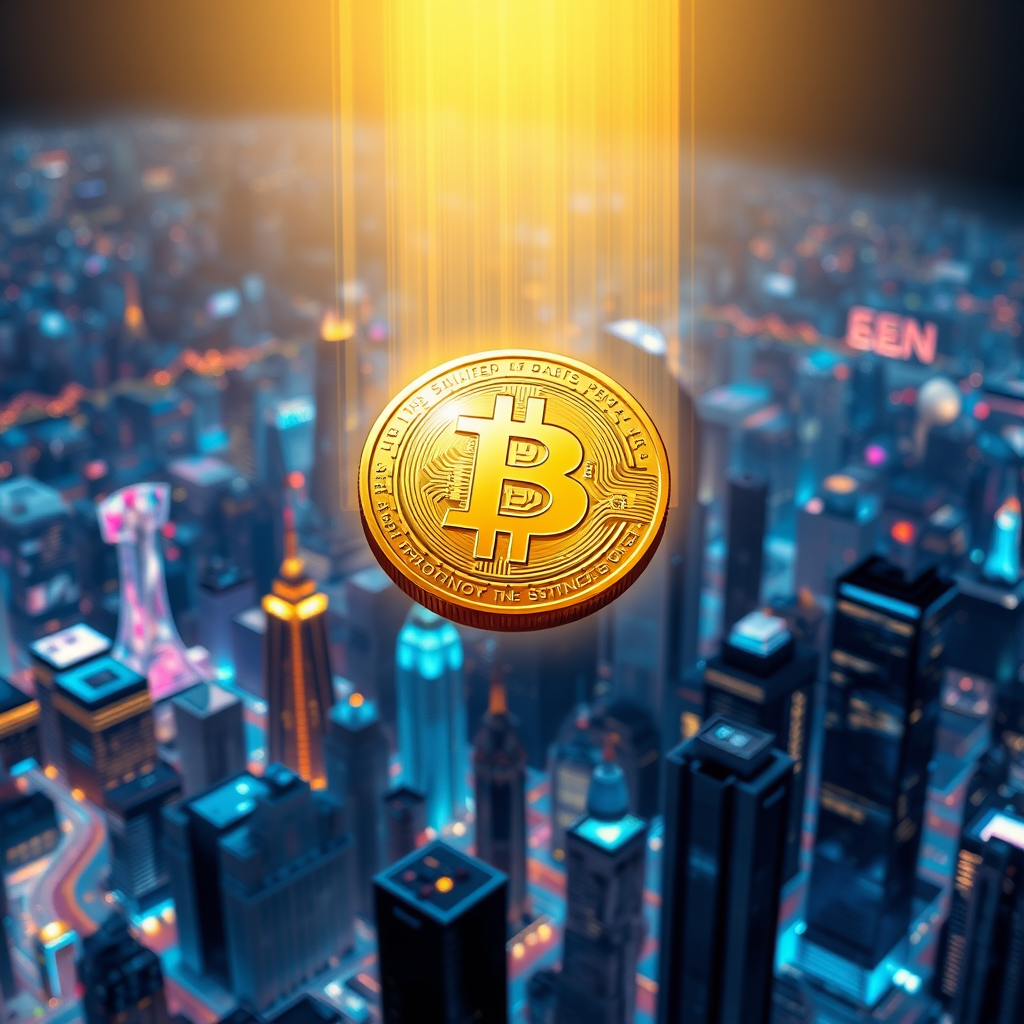 The potential applications of tokenization span a vast array of industries, offering significant benefits that can transform how tangible assets are owned, traded, and financed. One of the most prominent use cases is in real estate, where tokenization allows for fractional ownership of properties. This means that an individual can invest in real estate without needing to buy an entire property, making it accessible to a broader audience. For example, a commercial building valued at ten million dollars could be tokenized into thousands of fractional tokens, enabling many investors to own a piece of it while collecting rental income proportionate to their stakes.
Furthermore, tokenization can be particularly advantageous in the art world, where high-value artworks have traditionally been reserved for affluent collectors. By digitizing art pieces and creating tokens that represent ownership rights, art can be made accessible to smaller investors who can buy fractions of a token, democratizing art investment and enabling a wider audience to participate in ownership. This model can also integrate features for artists, such as automatic royalties on secondary sales, thus incentivizing and rewarding creativity transparently.
The rise of collectibles and memorabilia is another area where tokenization shows vast potential. For instance, trading cards or limited-edition items can be tokenized, allowing collectors to buy, trade, and sell shares of their favorite items. The blockchain ensures provenance and authenticity, minimizing the risk of counterfeits and increasing confidence in the marketplace. Through tokenization, both sentimental and monetary values intertwined in collectibles can be preserved and appreciated across a more extensive and diverse collector base.
Looking ahead, the healthcare sector stands to gain immensely from asset digitization. Tokenizing medical records could facilitate secure and efficient data sharing across healthcare providers while empowering patients with control over their health data. This would not only streamline processes but also enhance patient privacy and ensure compliance with regulations.
As we envision the future of finance, the intertwining of token infrastructures into existing financial systems via platforms like TokenizedPlatform.com represents a lucrative opportunity. Such a platform provides a strategic branding angle, establishing itself as a recognized leader and facilitator in the evolving tokenized asset market. By embodying qualities of innovation and trust, it positions itself within the digital asset ecosystem, ultimately leading to a more inclusive financial landscape where ownership and investment are accessible to everyone.
This multifaceted journey into the world of tokenization is just beginning. The technological innovations and regulatory developments surrounding blockchain are likely to accelerate, leading to further exploration and adoption of tokenized assets. As the lines between traditional and digital finance blur, the opportunities for innovation abound—paving the way for a transformative era in asset ownership and investment dynamics. The drive for digital ownership represents not just a technological shift but a fundamental change in how we perceive value and engage with assets in our increasingly digital world.
Want to collaborate or build a tokenization strategy?
Email: info@tokenizedplatform.com
Call: 1-855-BLOG-SEO


