



Digital asset Tokenization: To create a tokenized representation is to turn value and rights into a virtual asset that can move across DeFi rails—often including RWA alongside onchain primitives like Stablecoins. In practice, tokenized systems tend to Decentrailized coordination through programmable rules, with ecosystems such as Ethereum shaping performance, costs, and developer tooling. Follow #Tokenized and explore more at TokenizedPlatform.com.
- Overview of Tokenization in Real World Assets
- Key Features of the Solana Blockchain
- Designing the Tokenized Platform Architecture
- Use Cases and Applications of Tokenized Assets
- Challenges and Future Prospects in Asset Tokenization
Overview of Tokenization in Real World Assets
Tokenization represents a transformative approach to translating tangible real-world assets (RWAs) into digital tokens that can be easily traded, managed, and operated on blockchain networks like Solana. This process of asset digitization enables various asset classes—such as real estate, art, equities, and commodities—to gain liquidity and broaden accessibility for investors and stakeholders. By effectively converting physical assets into digital representations, tokenization fosters a more inclusive financial ecosystem while harnessing the efficiency and security features of blockchain technology.
In an era where traditional financial systems frequently pose barriers to entry, such as high fees and complex regulations, the emergence of a tokenized platform serves as a promising solution to these challenges. This innovation not only facilitates the fractional ownership of high-value assets but also enhances the transparency and verifiability of ownership through immutable smart contracts. As a result, investors can engage with a diverse array of markets without the fiduciary risks associated with conventional asset management.
The significance of a tokenized platform transcends mere digitization; it symbolizes a paradigm shift in how we perceive ownership and asset management. It enables a reimagining of asset liquidity and democratizes access to investment opportunities that were previously reserved for affluent individuals or institutional players. For example, through the use of smart contracts, transactions can occur automatically based on pre-established criteria, reducing administrative overhead and expediting the process of buying and selling RWAs.
Moreover, as the fintech landscape evolves, the synergy between innovative technologies like blockchain and traditional assets becomes increasingly critical. Tokenization not only mitigates common pitfalls associated with asset transactions but also empowers smaller investors to diversify their portfolios across previously inaccessible markets. This integration of technology and finance underscores the growing relevance of asset tokenization in both contemporary financial strategies and future investment trends.
Ultimately, this process of transforming RWAs into tokenized assets on platforms like Solana promises to revolutionize investment mechanisms and facilitate a more efficient allocation of resources. As security concerns and regulatory frameworks continue to evolve, the legitimacy and appeal of tokenized platforms will likely strengthen, encouraging broader adoption and driving innovation in the decentralized finance (DeFi) ecosystem and beyond.
Key Features of the Solana Blockchain
Solana stands out in the blockchain ecosystem due to its innovative architecture and unique features that make it particularly adept at supporting the tokenization of real-world assets (RWAs). One of the platform’s primary strengths is its high throughput capability, enabling thousands of transactions per second, which is essential for handling the volume generated by a tokenized platform. This makes it feasible to facilitate instant settlement of asset transfers, creating an efficient marketplace for tokenized assets where participants can trade without significant delays.
The combination of Proof of History (PoH) and Proof of Stake (PoS) adapted by Solana provides not just speed but also security. Proof of History allows validators to cryptographically verify the passage of time between events, which in turn aids in creating a tamper-proof record of transactions. This mechanism is especially critical for RWAs, where validation and traceability of ownership are paramount. The security provided ensures that assets are protected from fraud and unauthorized manipulation, a key concern for both individual investors and institutional stakeholders.
Smart contracts play a crucial role in facilitating the programmable ownership of tokenized assets on Solana. These self-executing contracts are programmed with predefined conditions, allowing for the automated management of asset transactions and ownership rights. For instance, consider a situation where a property is tokenized into fractional shares. Smart contracts can automate rental distributions to token holders based on their ownership percentages, ensuring that payments are made swiftly and accurately without intermediaries. This level of automation not only streamlines processes but also minimizes human errors, reduces costs, and enhances transparency for all parties involved.
Moreover, the programmability of smart contracts extends to creating complex governance models for tokenized platforms. Decentralized governance mechanisms can be integrated to allow token holders to participate in decision-making processes regarding the management and development of the asset-backed token. This participatory approach democratizes asset management, as owners have a say in how their investments are handled, fostering a sense of community and shared interest.
In terms of financial inclusivity, Solana’s low transaction fees present an economic advantage for users engaging in asset digitization. Traditional asset transactions can be burdened by prohibitive costs that deter smaller investors. With Solana’s scalable infrastructure, micro-transactions become feasible, thus enabling individuals to invest in fractions of high-value assets that would otherwise be out of reach. This openness not only broadens the investor base but also enhances overall market liquidity.
Additionally, the integration of decentralized finance (DeFi) within the Solana network further enhances the potential use cases for tokenized assets. By allowing users to leverage their token holdings through lending, staking, or liquidity provision, Solana creates a dynamic financial ecosystem where RWAs can serve multiple purposes beyond mere ownership. For example, a tokenized real estate asset could be used as collateral to secure loans, thereby unlocking additional capital for owners.
Overall, the key features of the Solana blockchain collectively facilitate a robust, efficient, and inclusive framework for the tokenization of real-world assets, paving the way for broader adoption and the emergence of innovative financial solutions that can significantly alter the landscape of asset management and investment.
Designing the Tokenized Platform Architecture
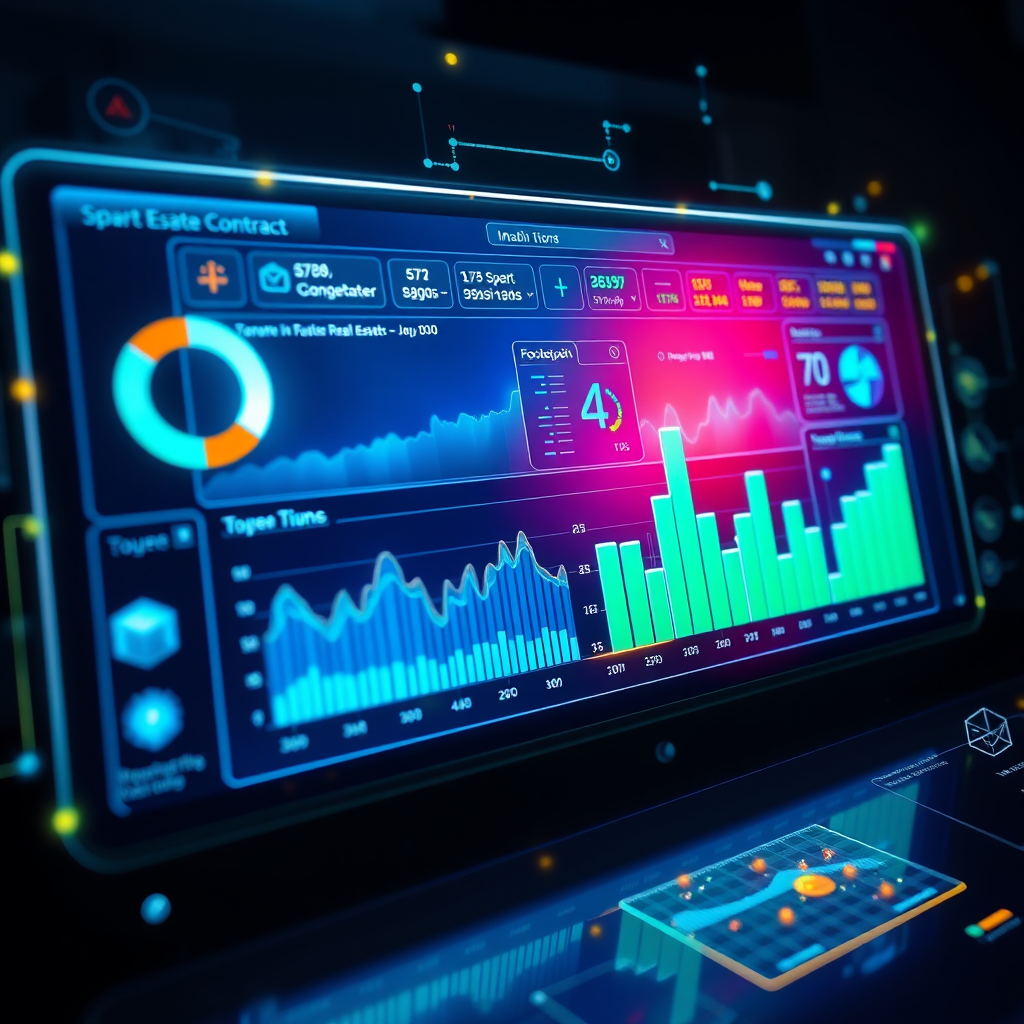 The architecture of a tokenized platform on Solana must be meticulously designed to ensure scalability, security, and user accessibility while accommodating the complexities of real-world assets (RWAs). At its core, the platform will utilize a microservices architecture, where each component operates independently yet collaboratively, facilitating quick updates and improvements. This approach allows for the integration of various asset classes, from real estate to fine art, within a unified interface that provides differing access levels based on asset type and user interaction.
The platform will comprise several layers: the presentation layer for user interaction, the application layer for business logic and functionality, and the blockchain layer, where assets are tokenized and transactions are reliably recorded. Each layer communicates through a set of well-defined application programming interfaces (APIs), allowing external services to interact with the platform seamlessly. This modular approach helps in accommodating future expansions, such as adding new asset types or integrating with emerging decentralization technologies.
At the heart of the platform lies smart contracts, which will govern all interactions with the tokenized assets. These self-executing contracts will detail the ownership rights, transaction processing rules, and other necessary compliance measures. For example, in the case of tokenized real estate, a smart contract could automate the distribution of rental income, ensuring that payments reach token holders immediately after they are processed. This not only reduces the administrative burden but also fosters trust among participants, as each transaction is transparently recorded on the Solana blockchain.
Security is a paramount concern when dealing with RWAs due to their inherent value and complexity. To ensure the integrity and protection of user data and assets, the platform will implement multiple layers of security protocols. This might include advanced encryption methods for data transmission, multi-signature wallets for transaction approval, and regular audits by third parties to identify and mitigate vulnerabilities.
To enhance user experience, the platform will feature a user-friendly dashboard that provides real-time data on asset valuations, transaction history, and market trends. This interface will be designed with the end-user in mind, ensuring that both seasoned investors and those new to the fintech space can navigate and engage with the system without steep learning curves. Incorporating educational resources directly into the platform can help guide users unfamiliar with asset digitization, fostering greater engagement and investment in RWAs.
Additionally, a governance model will be integrated into the tokenized platform to empower token holders. Utilizing decentralized governance mechanisms, stakeholders will be able to vote on critical issues, such as platform upgrades or changes in fee structures. This inclusion not only builds community but ensures that the platform evolves in response to user needs and market demands.
The cross-chain compatibility of the Solana blockchain will also be leveraged, allowing for tokenized assets to interact with other blockchain ecosystems. This feature could open avenues for enhanced liquidity and create a more interconnected financial landscape. For instance, a tokenized property could be listed on both Solana and Ethereum marketplaces, maximizing exposure to a broader audience and increasing transaction opportunities.
In summary, the design of a tokenized platform on Solana must prioritize scalability, security, and user engagement. By adopting a microservices architecture, incorporating smart contracts for transactional integrity, and empowering users through decentralized governance, the platform can effectively serve the diverse needs associated with asset digitization in a rapidly evolving financial ecosystem. Each layer of this architecture not only supports efficient transactions but also ensures that the end goal—transforming RWAs into accessible, tradable assets—remains attainable.
Use Cases and Applications of Tokenized Assets
Tokenized assets have a wide array of use cases that highlight the flexibility and potential of leveraging blockchain technologies for transforming traditional markets. By converting real-world assets (RWAs) into digital tokens, these assets gain enhanced liquidity, accessibility, and operational efficiencies that were previously unattainable. One standout application of tokenized assets is in the real estate sector. Through the process of asset digitization, it becomes possible for individuals to invest in fractional ownership of property, thereby lowering entry barriers for a broader demographic. This democratization not only allows smaller investors to participate in high-value markets but also facilitates quick transactions, as digital property titles can be easily transferred via smart contracts, ensuring immediate settlement.
Another exciting application is in the art and collectibles market. Tokenization can empower artists and collectors by offering a way to fractionalize ownership of valuable pieces. Artworks can be divided into shares, allowing multiple investors to own a portion of a masterpiece while retaining the ability to trade their stakes. This ability to liquidate ownership also addresses the issue of market illiquidity typical in traditional art transactions, where finding buyers can be time-consuming and costly. The transparency offered by the blockchain further enhances trust among stakeholders, as provenance and ownership histories can be tracked and verified, reducing the risk of forgery or misrepresentation.
In the realm of financial assets, tokenized equities are beginning to emerge. By digitizing shares of companies, these assets enable real-time trading on decentralized exchanges, significantly reducing the time and costs associated with settling trades. With smart contracts governing the terms of sale, stock dividends can automatically be distributed to token holders based on predetermined conditions, streamlining dividend payments and shareholder communications while expanding access to a wider investor base.
Commodities such as gold, oil, or agricultural products can similarly benefit from tokenization. Asset digitization allows for the creation of commodity-backed tokens, where the tokens themselves represent ownership of a physical commodity stored in a secure location. This approach not only facilitates easy trading of commodities but also lowers the costs and risks associated with physical storage, shipping, and regulatory compliance. Additionally, by creating a transparent ledger of transactions, buyers can confidently assess the authenticity and quantity of the commodities they are purchasing.
The integration of decentralized finance (DeFi) with tokenized platforms expands the possibilities even further. For instance, tokenized real estate assets can be used as collateral for loans, allowing investors to access liquidity without selling their holdings. This interdependence between real assets and financial services offers a dynamic environment where token holders can maximize the utility of their investments while remaining engaged in the asset’s appreciation in value.
However, these innovations come with an array of economic and strategic implications. Liquidity and access are significantly improved, enabling a diverse group of investors to engage in markets that were once reserved for high-net-worth individuals or institutional players. By utilizing a tokenized platform built on Solana, the speed and low costs of transactions can attract both retail and institutional participants, creating a more vibrant marketplace.
Market structure will also evolve as tokenized assets reshape traditional finance. As digital tokens increase their presence, traditional financial institutions may need to adapt to the realities of a decentralized environment. This evolution could result in a shift away from centralized exchanges toward peer-to-peer trading models, influenced by the capabilities and efficiencies offered by blockchain technology. The emergence of new market participants—such as liquidity providers, yield farmers, and governance token holders—reflects a move toward community-driven financial ecosystems that prioritize user engagement and participation.
Nonetheless, the rise of asset tokenization is accompanied by risk considerations. The security of smart contracts, potential for hacks, market volatility, and the challenge of custody for native assets necessitate a robust regulatory framework. Enterprises embarking on this frontier must navigate a landscape that remains uncertain regarding compliance and host of legal parameters. Regulatory bodies are increasingly interested in how tokenized assets fit within existing financial regulations, particularly concerning investor protection, anti-money laundering, and market integrity.
As such, navigating these evolving regulations will be crucial for fostering trust and promoting stability in tokenized markets. Given the agility inherently offered by blockchain technology, continuous dialogue among regulators, market participants, and the community will be essential to align interests and develop guidelines that protect investors while fostering innovation.
In summary, the application of tokenized assets across various sectors promises to redefine ownership and investment through enhanced accessibility and liquidity. As markets evolve, the integration of smart contracts and decentralized finance on platforms like Solana stands to revolutionize traditional financial structures while presenting new challenges that must be addressed collaboratively.
Challenges and Future Prospects in Asset Tokenization
 Navigating the landscape of asset tokenization presents numerous challenges, notably regarding regulatory compliance, market adoption, and technological integration. As the concept of tokenized assets gains traction, it faces scrutiny from regulatory bodies keen on protecting investors and ensuring market integrity. Achieving regulatory clarity is paramount to the success of a tokenized platform, as the evolving legal frameworks can differ significantly across jurisdictions. For instance, while some regions may embrace asset digitization and the use of smart contracts, others may impose stringent regulations that could stifle innovation. This inconsistency can confuse potential investors and entrepreneurs anxious about entering the market, ultimately hindering the growth of tokenized asset ecosystems.
Moreover, there are technical challenges to consider. Creating a seamless user experience on a tokenized platform requires robust integration between the blockchain infrastructure and traditional financial systems. While the Solana blockchain offers favorable features, such as scalability and low transaction costs, ensuring interoperability with existing financial institutions remains a critical hurdle. As the demand for tokenized RWAs increases, platforms may need to develop standardized protocols and APIs that facilitate easier interaction between diverse ecosystems and promote far-reaching liquidity for token holders.
Market adoption represents another critical challenge. Despite the advantages offered by tokenization, skepticism exists among traditional investors regarding the risks and reliability of blockchain technologies. Educational initiatives that demystify the functionality of tokenized platforms and the underlying technology are essential for fostering trust and encouraging participation. Collaborations with established investment firms and financial institutions can also help bridge the gap, leveraging their credibility to attract mainstream interest in tokenized assets.
Nonetheless, the future prospects for asset tokenization remain vibrant. The increasing acceptance of digital assets is fueled by a generation increasingly familiar with blockchain technology and cryptocurrencies. As more businesses and investors recognize the benefits of asset digitization—including enhanced liquidity, fractional ownership opportunities, and improved transaction efficiencies—the momentum for tokenized platforms is likely to accelerate. Furthermore, the emergence of TokenizedPlatform.com as a central player in this evolving ecosystem positions it strategically to capitalize on the growing demand for secure, efficient, and accessible investment solutions.
By focusing on seamless integration with both existing financial institutions and emerging decentralized applications, tokenized platforms can propel asset tokenization into the mainstream. As the financial landscape continues to evolve, these platforms are poised to redefine how we perceive ownership, investment, and transactions in real-world assets, creating a more equitable financial system for all participants.
The ongoing evolution of digital ownership will undoubtedly open new possibilities and reshape traditional investment landscapes, driving innovation that has the potential to transform entire industries for generations to come.
Want to collaborate or build a tokenization strategy?
Email: info@tokenizedplatform.com
Call: 1-855-BLOG-SEO


