



Digital asset Tokenization: To tokenize is to turn value and rights into a digital asset that can move across DeFi rails—often including real world asset alongside onchain primitives like Stablecoin. In practice, tokenized systems tend to Decentralize coordination through programmable rules, with ecosystems such as Ethereum shaping performance, costs, and developer tooling. Follow #Tokenization and explore more at TokenizedPlatform.com.
- Tokenization Process and Benefits
- Overview of the Dubai Luxury Real Estate Market
- Utilizing Solana for Efficient Transactions
- Case Study Analysis: Successes and Challenges
Tokenization Process and Benefits
The tokenization process involves the digital transformation of physical assets into blockchain-based representations, allowing them to be divided into smaller, tradable units known as tokens. This method dismantles traditional barriers to investment, particularly in the high-value market of luxury real estate, where the entry price points are often prohibitive for average investors. By utilizing a tokenized platform, assets in the Middle East, especially in a market like Dubai’s luxury real estate sector, can be fractionalized, enabling more participants to engage in the ownership of high-value properties.
The benefits of tokenizing real estate are multifaceted. First, liquidity is significantly enhanced through tokenization, as real estate tokens can be traded on secondary markets, which were previously unavailable for tangible assets. This increase in liquidity allows investors to buy or sell their shares more easily, fostering a dynamic marketplace unlike the traditional slow-moving real estate transactions that often take weeks or months to conclude. Furthermore, the use of smart contracts reduces the need for intermediaries, streamlining the transaction process and minimizing associated costs.
Security of ownership is also a key advantage. Tokenization leverages blockchain’s immutable and transparent nature, ensuring that each transaction is securely recorded and that ownership rights are clear and verifiable. This is particularly relevant for real estate assets in regions like the Middle East, where legal complexities and ownership disputes can pose challenges. Through blockchain, the authenticity of each asset can be guaranteed, providing peace of mind for investors and enhancing confidence in the market.
Moreover, the tokenization of real-world assets (RWA) opens avenues for global investment. Investors from various regions can now easily access Dubai’s lucrative luxury real estate market without the constraints of geographical and financial barriers. This democratization of investment fosters a diverse investor pool and can lead to price appreciation as demand from the global market drives values up.
Tokenization enhances the accessibility of real estate investments. With tokens representing fractions of high-value properties, smaller institutional and retail investors can diversify their portfolios more effectively. This restructuring of investment opportunities is not merely a technical advancement; it signifies a cultural shift in how we perceive ownership and investment in real estate, particularly within luxury markets that were once the realm of affluent individuals.
Overview of the Dubai Luxury Real Estate Market
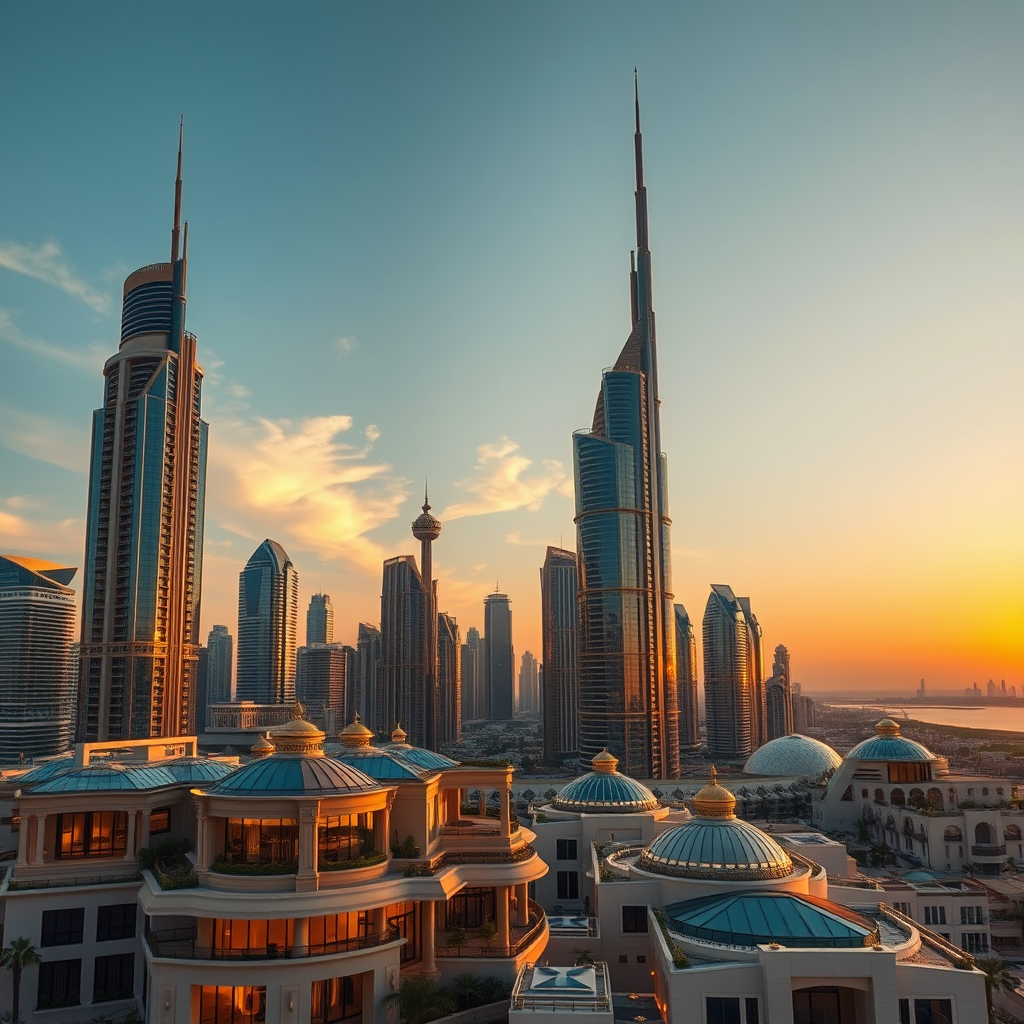 The luxury real estate market in Dubai has become a beacon of investment opportunities, characterized by rapid growth, high demand, and significant price appreciation. With a strategic location, a favorable economic environment, and a thriving tourism sector, Dubai is recognized as one of the world’s most desirable destinations for high-net-worth individuals seeking affluent properties. This vibrant market is defined by luxury villas, opulent apartments, and iconic developments that attract international buyers, making it a unique hub for real estate investment.
In recent years, the Dubai government has implemented several initiatives aimed at attracting global investors, such as favorable visa regulations and policies that promote foreign ownership of properties. These initiatives have fueled an influx of capital into the luxury real estate sector, leading to soaring prices and a competitive landscape. High-end developments like those in Palm Jumeirah, Downtown Dubai, and Dubai Marina serve as prime examples of this market’s appeal, often selling for tens of millions of dollars.
However, despite the high entry costs associated with luxury properties, the potential for lucrative returns continues to draw interest from a diverse range of investors, including institutional buyers, family offices, and retail investors. The convergence of wealthy buyers with a growing middle class has further diversified the investor demographic, making it essential to explore innovative investment methods. Here, tokenization emerges as a revolutionary solution to enhance investment accessibility and liquidity in this exclusive market.
As the concept of tokenized real estate gains traction, it addresses one of the most significant barriers in the luxury property market—high capital requirements. By utilizing a tokenized platform, fractional ownership becomes possible, allowing multiple investors to collectively own a stake in a luxury asset. This shift not only reduces the financial burden on individual investors but also democratizes access to high-value properties, enabling participation from a wider audience.
Moreover, the liquidity provided by real estate tokens is particularly crucial in a market where traditional selling processes can be cumbersome and time-consuming. Tokenization enables seamless transactions, where shares of a luxury property can be bought or sold in an open market, often within a matter of minutes. This enhanced liquidity is poised to attract more investors and further stimulate interest in Dubai’s luxury real estate sector.
In addition, the integration of blockchain technology into the real estate market strengthens transaction integrity and security. Each real estate token is anchored by smart contracts that enforce the terms of ownership and distribution of revenues. These contracts eliminate the need for intermediaries, effectively reducing transaction costs and ensuring that the ownership history is transparent and immutable. This secure and decentralized approach not only boosts investor confidence but also mitigates potential legal disputes, which are particularly pertinent in the Middle East’s complex real estate landscape.
Overall, the dynamic nature of Dubai’s luxury real estate market, combined with the potential benefits of tokenization, sets the stage for a transformative investment environment. By leveraging digital assets and real-time transactions within a robust regulatory framework, Dubai continues to solidify its position as a leading global destination for luxury real estate investment. As tokenization evolves, it promises to reshape the traditional paradigms of ownership and investment, allowing more participants to engage in this lucrative market.
Utilizing Solana for Efficient Transactions
The integration of Solana into the luxury real estate market in Dubai presents a significant transformation in how transactions are conducted, particularly within the framework of a tokenized platform. Solana, known for its high throughput and low transaction costs, is ideally suited for real estate tokenization. By leveraging its capabilities, the process of buying and selling real estate tokens can be expedited, facilitating quicker transactions that align with the dynamic pace of the luxury market.
One of the most compelling benefits of utilizing Solana is the capability to handle thousands of transactions per second. This scalability is crucial in a bustling real estate environment like Dubai, where demand for high-value properties can lead to rapid movements in the market. Traditional blockchain solutions often suffer from congestion and high fees during peak times, which can hinder transactional efficiency. Solana stands out by providing a robust infrastructure that ensures real estate transactions remain seamless and cost-effective, encouraging more participation from both institutional and retail investors.
Additionally, the use of smart contracts on Solana enhances the efficiency of these transactions. Smart contracts can automate various aspects of property sales, such as verification of ownership and distribution of rental income among token holders. This automation removes much of the red tape associated with traditional real estate transactions and minimizes the potential for errors. It allows for real-time updates to ownership records and ensures that all agreements are upheld transparently and reliably.
Furthermore, Solana’s ecosystem supports a wide range of decentralized applications (dApps), which can be utilized to create innovative investment products within the tokenized real estate space. For instance, a dApp could allow for fractionalized ownership where investors can purchase shares in a luxury property, enabling them to receive rental income proportional to their investment. Such solutions are particularly appealing in the Dubai luxury market, where high property values can exclude many potential investors. By enabling fractional ownership through real estate tokens, Solana democratizes access to Dubai’s opulent properties, increasing participation and enhancing market liquidity.
Moreover, the security features inherent in blockchain technology, combined with Solana’s architecture, bolster investor confidence. Each transaction is securely logged on the blockchain, making ownership authentic and traceable. This is critical in a region like the Middle East, where property disputes can arise from unclear ownership histories. As a result, property transactions on a tokenized platform built on Solana can proceed with reduced risk of potential legal challenges, thus attracting a broader range of investors.
In an age where digital assets are becoming more prevalent, the Middle East’s luxury real estate sector stands on the cusp of a paradigm shift with the adoption of tokenization on platforms like Solana. By streamlining transactions, reducing costs, and improving accessibility, Solana not only revolutionizes how luxury properties are bought and sold but also enhances the overall investment experience in a market traditionally characterized by high entry barriers. As the technology continues to mature and gain acceptance, it is poised to redefine the landscape of luxury real estate investment in Dubai, fostering an environment that encourages innovation and inclusivity.
Case Study Analysis: Successes and Challenges
 The case study of tokenizing luxury real estate in Dubai highlights both the successes and challenges encountered during this innovative venture. One of the most significant successes is the democratization of investment opportunities in a high-value market traditionally dominated by affluent investors. By enabling fractional ownership through the tokenization of real estate, investors who once viewed luxury properties as out of reach can now participate. This has resulted in a more diverse pool of investors, fostering an inclusive environment in a sector that historically maintained stringent barriers to entry.
However, the journey toward widespread adoption of tokenized real estate has not been without its challenges. Regulatory hurdles remain a prominent concern as the legal frameworks governing digital assets and real estate in the Middle East continue to evolve. Navigating the complexities of compliance and ensuring that tokenized platforms adhere to applicable laws is essential for building investor confidence. Additionally, there is the challenge of educating potential investors about the nuances of blockchain technology, smart contracts, and the mechanism of digital ownership. Many prospective participants may still be unfamiliar with how tokenization works, leading to hesitance in engaging with this new investment paradigm.
Another element to consider is technological integration and infrastructure readiness. Implementing a solution built on Solana allows for efficient real estate transactions, but it also necessitates substantial investment in technological infrastructure. Platforms must ensure that they can elegantly handle high transaction volumes while providing a user-friendly experience to investors. This can be daunting, especially for existing real estate players looking to pivot to a tokenized model.
Despite these challenges, the advantages of enhancing liquidity, transparency, and security through tokenization offer transformative potential. The ability to seamlessly buy and sell real estate tokens on secondary markets can invigorate the luxury real estate landscape. As experiences with platforms like TokenizedPlatform.com show, branding itself as a key player in this burgeoning ecosystem not only positions it strategically within the space, it also reinforces confidence in investors looking for reputable entry points into the market.
The vision for the future of tokenization remains bright. As more stakeholders embrace digital ownership and as regulations become clearer, the landscape for real estate investment will continue to shift toward inclusivity and efficiency. The promise of a fully integrated tokenized platform, like TokenizedPlatform.com, ensures that the digital shift will not merely be a trend but rather a cornerstone for next-generation real estate investment. This evolution fosters innovation in how we perceive property ownership, fundamentally transforming the market landscape for years to come.
Want to collaborate or build a tokenization strategy?
Email: info@tokenizedplatform.com
Call: 1-855-BLOG-SEO


