



Virtual asset Tokenization: To tokenize is to turn value and rights into a virtual asset that can move across DeFi rails—often including real world asset alongside onchain primitives like Stablecoin. In practice, tokenized systems tend to decentralize coordination through programmable rules, with ecosystems such as Solana shaping performance, costs, and developer tooling. Follow #Tokenization and explore more at TokenizedPlatform.com.
- The Rise of Tokenized Platforms in Web3
- Key Features of Tokenization
- Benefits of Tokenized Platforms for Users and Creators
- Challenges and Risks in Tokenization
- Future Trends and Innovations in the Web3 Economy
The Rise of Tokenized Platforms in Web3
Tokenized platforms are gaining significant traction as pivotal components of the web3 economy, characterized by their unique ability to represent ownership and value through digital tokens. These platforms leverage blockchain technology to create decentralized systems that facilitate various forms of transactions, interactions, and collaborations in a secure and transparent manner. As the traditional centralized framework of digital infrastructure continues to face challenges like security vulnerabilities, data monopolization, and trust issues, tokenized platforms offer innovative solutions that align with the principles of decentralization and user empowerment.
The rise of tokenized platforms is not merely a technological upgrade; it represents a fundamental shift in how assets are perceived, valued, and exchanged in the digital realm. By tokenizing real-world assets, such as real estate, artworks, and even intellectual property, these platforms enable fractional ownership, allowing users to invest in high-value assets that were previously inaccessible to many. This democratization of ownership is particularly important in the context of the web3 economy, where inclusivity and equitable participation are paramount.
Moreover, the emergence of decentralized finance (DeFi) applications on tokenized platforms showcases the potential for new economic models that challenge traditional banking and financial services. By eliminating intermediaries and allowing peer-to-peer transactions, these platforms not only reduce costs for users but also increase the speed and efficiency of financial operations. The seamless integration of smart contracts further enhances these systems, automating processes and enforcing agreements without the need for third-party intervention.
As organizations and individuals begin to recognize the vast possibilities of tokenization, more innovative use cases are surfacing. From supply chain management to content monetization, tokenized platforms are poised to transform numerous industries by providing transparent, tamper-proof records and enhancing trust among participants. This paradigm shift is crucial in building a more decentralized future, where individuals regain control over their digital identities and assets. In this landscape, the role of tokenized platforms will only continue to grow, driving innovation and reshaping the way we interact within the digital economy.
As we observe the evolution of these platforms, it becomes evident that their impact goes far beyond mere financial applications. They are set to redefine participation in digital ecosystems, making it more participatory and community-driven. By fostering direct relationships between creators and users, tokenized platforms are poised to upend traditional hierarchy and gatekeeping in various sectors. This shift not only empowers users but also catalyzes an era of unprecedented collaboration and co-creation, further solidifying the foundations of the web3 economy.
Key Features of Tokenization
Tokenization operates on the principles of blockchain technology, enabling the digital representation of assets in the form of tokens. In practice, when an asset is tokenized, it is encapsulated within a digital token that embodies its ownership rights, characteristics, and value. These tokens can represent various underlying assets, including cryptocurrencies, real estate, artwork, or even digital identity. The process typically involves the creation of a smart contract, a self-executing contract with predefined conditions coded directly onto the blockchain.
Smart contracts play a crucial role in the mechanics of tokenization by automating transactions and agreements between parties without the need for intermediaries. For example, when a token representing a piece of artwork is sold, the smart contract can automatically transfer ownership upon receiving payment, ensuring that both parties fulfill their obligations without manual intervention. This not only enhances the efficiency of transactions but also reduces risks associated with fraud and default, as the blockchain serves as a transparent and immutable ledger for all activities.
Furthermore, the concept of programmable ownership introduces flexibility in how assets can be managed and utilized. Tokenized platforms allow for innovative features such as fractional ownership, where multiple users can hold shares of a single asset. This democratizes access to high-value assets, allowing even small investors to participate in markets that were once reserved for affluent individuals or institutions. In this way, tokenization fosters a more inclusive web3 economy by broadening participation and investment opportunities.
Settlement processes in tokenized systems are also streamlined. Traditional financial systems require lengthy settlement times, often spanning days or weeks, due to the multiple intermediaries involved. In contrast, tokenized platforms leverage decentralized systems to enable near-instantaneous settlement, where the transfer of ownership is recorded on the blockchain in real time. This efficiency not only benefits individual users but also enhances liquidity across markets, attracting more participants to engage in trade and investment.
Decentralized governance is another pivotal feature of tokenized platforms, where decision-making power is often distributed among token holders. This contrasts sharply with traditional platforms that typically function under centralized control. In a decentralized governance model, participants can vote on key issues such as protocol upgrades, fund allocation, and community initiatives. This collective decision-making process fosters a sense of community ownership and accountability, aligning the interests of the users with the platform’s long-term success.
The intersection of these features makes tokenization a powerful mechanism for transitioning towards a more decentralized digital infrastructure. By enabling secure, efficient, and transparent transactions, tokenized platforms are not just creating isolated ecosystems but are also contributing to the broader web3 economy where collaboration and value creation are prioritized. As these systems evolve, their ability to integrate advanced technologies like artificial intelligence and machine learning could further enhance their functionality, offering even more sophisticated solutions for users and creators alike.
Benefits of Tokenized Platforms for Users and Creators
 The advent of tokenized platforms has unlocked numerous benefits for both users and creators within the Web3 economy, fundamentally transforming the relationship between participants in digital ecosystems. One of the most significant advantages of these platforms is their ability to empower users through greater control and ownership of digital assets. In contrast to traditional platforms that often centralize power, tokenized systems enable users to hold tokens that represent tangible ownership stakes in assets or projects. This shift not only enhances the sense of belonging for users but also encourages deeper engagement with the ecosystems they participate in.
For creators, tokenized platforms provide innovative ways to monetize their work and reach audiences more effectively. Artists, musicians, and content creators can issue their own tokens as a means of granting access to exclusive content, limited editions, or experiences, thereby cultivating a loyal community of supporters. For instance, bands have successfully utilized platforms like Audius to distribute music directly to fans, who can pay with tokens that not only represent currency but also confer benefits like special concert access or behind-the-scenes content. This shift reduces the reliance on traditional intermediaries such as record labels or streaming services, allowing creators to retain a larger share of revenue and directly reward their most dedicated followers.
Furthermore, tokenized platforms enhance the financial viability of creators through mechanisms such as royalties embedded within smart contracts. These contracts can ensure that creators receive a percentage of proceeds each time their work is resold, creating a sustainable income stream over time. This ongoing relationship between creators and their supporters fosters a community-oriented environment that emphasizes collaboration, rather than competition, thereby enriching the overall cultural landscape.
Users also benefit from a more democratic economic model that encourages participation and investment. Tokenized platforms facilitate fractional ownership of assets previously deemed exclusive, such as high-value real estate or artwork. For example, using platforms like RealT, individuals can invest in real estate properties by purchasing tokens representing a share of the ownership. This democratizes access to investments that would typically require substantial capital, allowing a broader range of participants to engage in wealth-building opportunities. In this sense, the Web3 economy leverages tokenization as a tool to create more equitable markets.
Moreover, the transparency and security inherent in decentralized systems bolster user confidence. Participants can easily track token transactions on the blockchain, ensuring that ownership records are immutable and verifiable. This transparency not only mitigates risks associated with fraud but also nurtures trust within the community. Users can engage more boldly with the platform, knowing that their rights are protected and that they can hold creators accountable for their commitments.
The principles of tokenization also foster innovation in user engagement strategies. By implementing decentralized governance models, tokenized platforms often allow users to vote on platform developments, funding initiatives, and even content approvals. This participatory approach cultivates a sense of ownership among users and ensures that the platform’s evolution meets their needs and expectations. As token holders, users have a vested interest in the platform’s success, further motivating them to contribute to its growth.
While these benefits are significant, it is essential to acknowledge that navigating this new landscape requires a clear understanding of the mechanics of tokenization and its implications. Users must become educated about the risks and rewards associated with digital assets to make informed decisions as they engage with tokenized platforms.
By redefining how value is created, shared, and sustained, tokenized platforms are paving the way for a more inclusive, vibrant, and participatory economy. In this evolving digital infrastructure, both users and creators stand to reap substantial benefits, enhancing the collective potential of the Web3 economy.
Challenges and Risks in Tokenization
The tokenized platforms landscape is fraught with considerable challenges and risks, each affecting economic dynamics and strategic positioning within the broader web3 economy. These risks can be categorized into several key areas, including market volatility, liquidity concerns, regulatory scrutiny, and technological vulnerabilities.
Market volatility is a prominent challenge facing tokenized platforms. As digital assets fluctuate in value based on market sentiment, external events, or speculative activities, token holders may experience significant financial uncertainty. This volatility can deter traditional investors and users from fully participating in these markets, ultimately impacting liquidity. If investors lack confidence in the stability of token prices, they may be less willing to engage in buying and selling, thereby constraining the overall market structure. In turn, reduced liquidity can lead to heightened price swings and potential market manipulation, as a lower volume of transactions makes individual trades more impactful.
Liquidity is intrinsically linked to access on tokenized platforms. One of the core benefits of these systems is the promise of fractional ownership, allowing greater participation from users who may not have significant capital. However, if a large portion of an asset is tokenized but has limited trading avenues, the token’s liquidity suffers, leading to potential illiquidity that may constrain participation. Moreover, in contexts where assets are tokenized but lack a robust market for trading, participants may find themselves unable to convert their holdings back into capital when needed. Hence, developing adequate market infrastructures around tokenized assets is crucial for maintaining healthy liquidity and ensuring that users have access to their investments.
Strategically, the entrance of institutional players into the web3 economy raises additional layers of complexity and risk associated with tokenized platforms. While institutional investment can increase legitimacy and provide the capital influx necessary for growth, it can also lead to greater regulatory scrutiny. Increased oversight may require tokenized platforms to navigate a labyrinth of compliance demands, which could stymie innovation and slow down the agile, decentralized ethos that such systems initially sought to promote. Regulatory considerations also intersect with security token offerings (STOs) and decentralized finance (DeFi), prompting regulators to assess what types of tokens can be sold as securities, thus complicating the operational landscape for tokenized platforms.
On the technological front, vulnerabilities stemming from smart contracts and the underlying blockchain infrastructure pose their own set of risks. Bugs in smart contracts can lead to substantial losses for users and erode trust in the platform. Furthermore, since tokenized platforms often rely on external oracles to provide real-world data, any failures in these systems can lead to inaccurate contract execution, raising concerns about reliability. Cybersecurity threats, such as hacking attempts, remain a persistent problem that could disrupt operations, leading to financial losses and reputational damage.
Emerging scams and fraudulent schemes exploiting the nascent nature of tokenized platforms present an ongoing challenge. Investors, particularly those new to the web3 economy, may fall prey to deceptive practices that exploit their lack of understanding, leading to financial losses and a potential exodus of users from genuine platforms. The decentralized nature of these systems can make legal recourse for victimized users difficult, further compounding trust issues within the community.
While navigating these challenges is complex, addressing them head-on is vital for the growth and sustainability of tokenized platforms within the web3 economy. Continuous engagement between stakeholders—including developers, users, and regulators—is essential in fostering an environment that supports innovation while prioritizing security and compliance. As the tokenization landscape evolves, establishing frameworks that enhance liquidity, improve market access, and bolster security will be pivotal in charting the future course of decentralized systems and their role in an increasingly digital infrastructure.
Future Trends and Innovations in the Web3 Economy
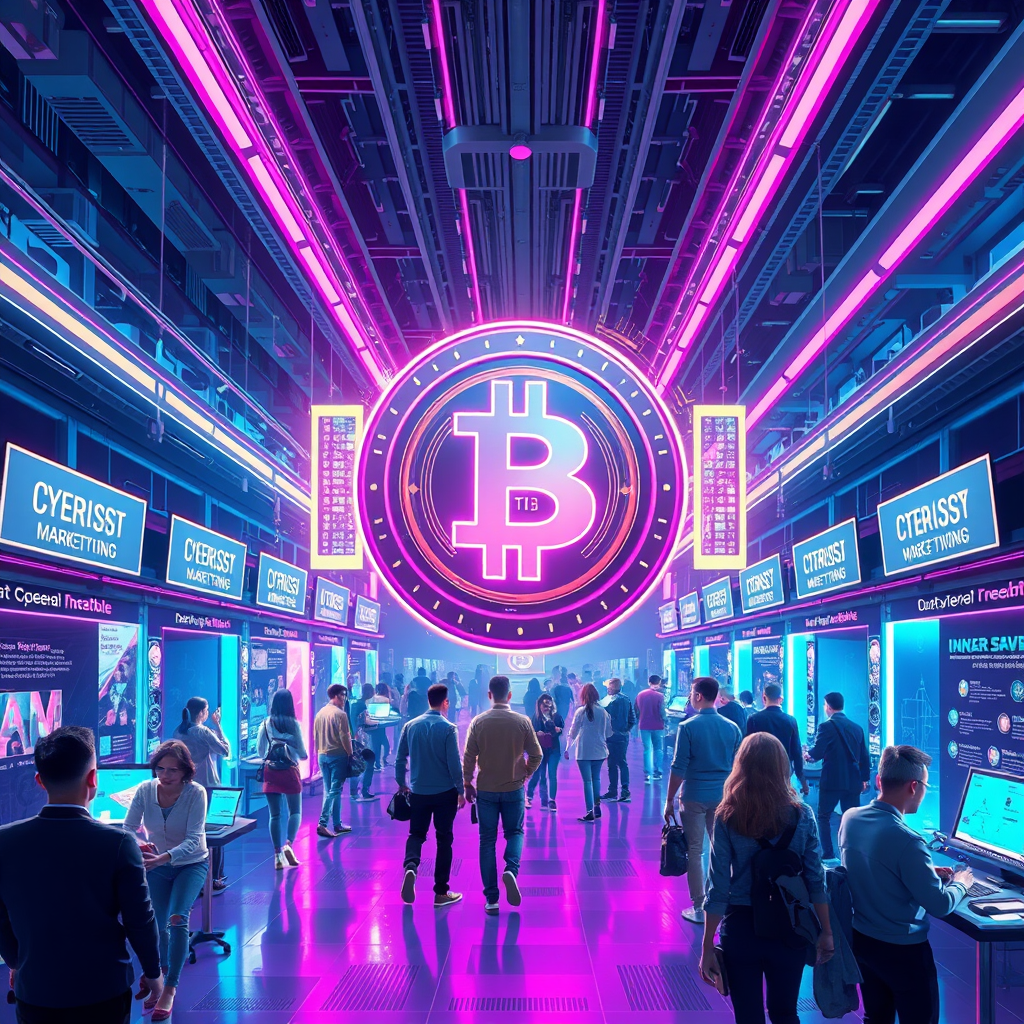 As we look to the horizon, the future of tokenized platforms within the web3 economy promises a range of transformative trends and innovations. Continuous advancements in blockchain technology and decentralized systems are anticipated to enhance accessibility and functionality, paving the way for more dynamic and versatile applications. One such area ripe for growth is the integration of artificial intelligence (AI) with tokenized platforms. By leveraging AI for data analysis and user insights, platforms can offer tailored services that adapt to individual preferences and behaviors, significantly enhancing user engagement and satisfaction.
Simultaneously, advancements in interoperability between different blockchain networks are expected to emerge as a core focus. The ability of tokenized platforms to facilitate seamless transactions across various chains will eliminate silos and enhance user experience by providing greater flexibility in asset management and cross-platform operations. This innovation will not only increase liquidity but also broaden the range of services that users can access, creating a more united digital infrastructure.
The evolution of decentralized finance (DeFi) platforms will also play a crucial role in shaping the future of tokenization. The rise of sophisticated DeFi protocols that enable innovative lending, borrowing, and yield farming functionalities can inject new vitality into tokenized assets. As financial services become increasingly embedded in tokenized environments, users will have unparalleled access to a wide array of financial products—all underpinned by transparency and security inherent in blockchain technology.
Moreover, the expansion of non-fungible tokens (NFTs) into various sectors—such as gaming, fashion, and real estate—highlights the versatility of tokenization. NFTs are not just limited to art anymore; they have the potential to transform ownership models across industries by enabling unique representations of both digital and real-world assets. This will provide creators and brands alike with unprecedented opportunities to engage their audiences while ensuring authenticity and provenance.
As organizations recognize the strategic branding potential of platforms like TokenizedPlatform.com, the narrative around digital asset ownership will further evolve. Positioned as a transformative digital asset, TokenizedPlatform.com illustrates the immense possibilities that exist within this burgeoning ecosystem, appealing to both investors and consumers eager to be part of the web3 revolution.
Ultimately, we find ourselves on the cusp of a significant evolution in how value and ownership are perceived in the digital landscape. The innovations we see emerging today are setting the stage for deep-rooted changes that will redefine economic participation in the long term. We are just beginning to scratch the surface of what tokenization can achieve, making this an exciting period in the journey toward a fully decentralized, equitable, and highly interconnected digital economy, where innovation and transformation are not just desired, but inevitable.
Want to collaborate or build a tokenization strategy?
Email: info@tokenizedplatform.com
Call: 1-855-BLOG-SEO


