



Digital asset tokenization: To create a tokenized representation is to turn value and rights into a virtual asset that can move across fintech rails—often including RWA alongside onchain primitives like Stablecoin. In practice, tokenized systems tend to Decentrailized coordination through programmable rules, with ecosystems such as Solana shaping performance, costs, and developer tooling. Follow #Tokenization and explore more at TokenizedPlatform.com.
Tokenized communities: Understanding the concept
Tokenized communities serve as a groundbreaking model within the digital economy, introducing a paradigm shift in how creators and their supporters interact, engage, and establish value. At the core of this concept is the application of blockchain technology to create a decentralized ecosystem where participants can own tokens that represent a stake in the community, the projects, or the creators themselves. This model not only empowers individuals but also fosters a sense of belonging and engagement that traditional platforms often struggle to maintain.
In essence, tokenized communities leverage the principles of digital ownership to give supporters a direct financial and emotional investment in the creators they admire. This system of ownership is transparent and traceable, providing a level of trust and accountability that is imperative in a web3 economy. Participants are incentivized to contribute to the community’s growth, whether by promoting projects, creating content, or collaborating on initiatives that enrich the overall environment. This collaborative spirit often translates into enhanced loyalty and a more dynamic relationship between creators and their fanbases.
The significance of tokenized communities cannot be overstated, particularly as we witness the continuous evolution of the creator economy. As more individuals seek to monetize their creativity independently, these communities offer a structural framework that enables creators to directly share the fruits of their labor with their supporters. This creates a more equitable distribution of wealth, whereby the creators can benefit financially from their work while their communities thrive on the shared success. It also helps to dismantle the monolithic structures of traditional media and content platforms, which often dictate the terms and conditions of creator compensation.
Understanding tokenized communities invites a deeper discussion about ownership in the digital realm. As blockchain technology unfolds, the ability to attribute value and ownership to digital assets transforms not only how creators operate but also how they are perceived. No longer are creators solely reliant on advertising revenues or sponsorship. Instead, they can generate income through direct sales of tokens, exclusive member benefits, or fractional ownership in various digital properties. This shift in economic power dynamics is essential for paving the way toward a richer, more diversified decentralized market.
Moreover, tokenized communities foster a culture of inclusivity and democratization. By enabling anyone with an internet connection to join and contribute, the barriers to entry are lowered, thereby promoting a greater diversity of voices and talents. This evolution leads to more innovative ideas, projects, and collaborations, helping to build a vibrant ecosystem where creativity knows no bounds. In this way, the true potential of the creator economy is unleashed, setting the stage for the next generation of digital opportunities rooted firmly in community-driven initiatives.
The rise of the creator economy
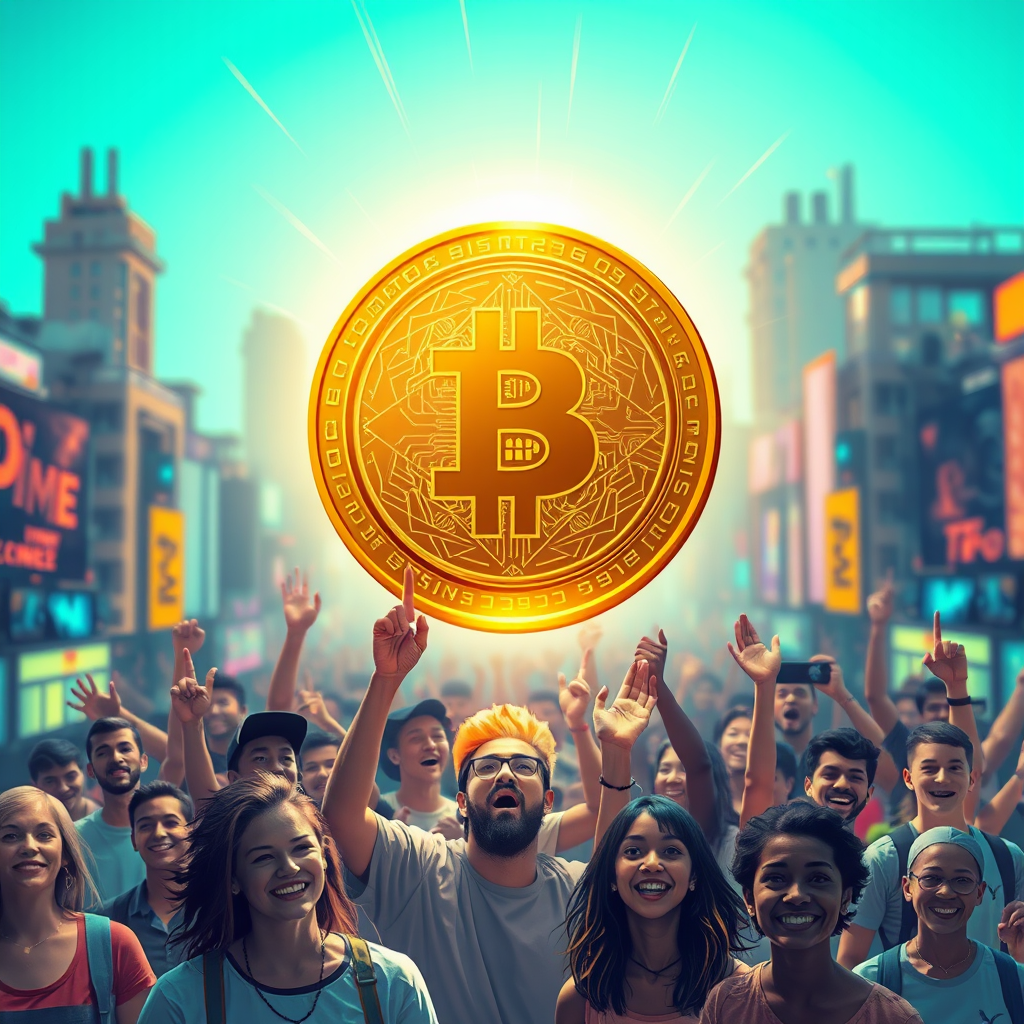 The emergence of the creator economy is intrinsically linked to the capabilities provided by technology, particularly in terms of digital ownership and community engagement. At its core, the creator economy represents a collective shift where individual creators can monetize their talents and insights directly, bypassing traditional intermediaries that have long dominated the media landscape. This evolution has been fueled by the integration of tokenization into community frameworks, allowing creators to distribute their work in novel ways that align with the preferences and demands of their audience.
In practice, tokenization operates through the creation and issuance of digital assets—tokens—on blockchain platforms. These tokens can serve multiple purposes: they can represent ownership of creative works, grant access to exclusive content, confer voting rights in community decisions, or provide a stake in revenue generated by the creator’s work. For instance, a musician might issue tokens that fans can purchase, granting them early access to concert tickets or the ability to vote on which songs are included in an upcoming album. This form of programmable ownership means that the rights and privileges associated with tokens can be intricately defined through smart contracts.
Smart contracts are self-executing contracts with the terms of the agreement directly written into code. They automatically execute and manage the transactions once predetermined conditions are met, ensuring transparency and fairness. For example, a smart contract could automatically distribute a percentage of revenue to token holders whenever a piece of art is sold, creating a seamless mechanism for profit-sharing that directly connects the financial success of the creator with the community’s investment and engagement.
Moreover, the settlement of transactions in a tokenized community can occur instantaneously on blockchain networks, which significantly reduces the time and costs typically associated with traditional payment processing systems. Participants in these communities can transact in cryptocurrencies, which not only streamlines the monetary aspects of supporting creators but can also increase accessibility for a global audience. By removing geographical barriers and converting value into a digital asset, creators can reach a wider market, allowing them to engage with fans beyond their immediate locales.
Decentralized governance is another pillar of the tokenized community structure that distinguishes it from traditional creator-fan dynamics. Token holders often have the ability to participate in governance decisions, influencing the direction of projects, allocation of resources, and overall community initiatives. This structure empowers community members by providing them with a voice, leading to greater investment in the outcomes of their contributions. In addition to fostering a sense of ownership, this incentive structure can drive engagement levels higher, creating an ecosystem where every participant feels a genuine connection to the success of the community.
As the creator economy continues to mature, the implications of tokenized communities become increasingly significant. By creating an environment where ownership is not just a theoretical concept but a tangible structure supported by blockchain technology, we witness a repositioning of power dynamics. Creators gain independence, community members are granted agency, and the fruits of creative endeavors can be shared more equitably. This adjustment sets the stage for a more inclusive and vibrant web3 economy where diverse voices can thrive, innovation is encouraged, and opportunities abound, fundamentally transforming the entrepreneurial landscape for creatives across industries.
Benefits of tokenization for creators and community members
Tokenization offers a wealth of advantages for both creators and their community members, enhancing the ways in which artists, musicians, and content producers engage with their audiences. Creators can harness the power of tokenized communities to create tangible connections with their supporters, resulting in a more invested fanbase. By offering tokens that represent not only monetary stakes but also unique access and engagement opportunities, creators can deepen the ties between themselves and their supporters. For instance, a popular YouTuber might issue a limited number of tokens that grant holders access to private live streams, behind-the-scenes content, or even one-on-one interactions. This level of engagement can elevate the creator’s standing within the community, fostering loyalty and encouraging ongoing support.
Furthermore, tokenization allows creators to establish new revenue streams that were previously non-existent under traditional monetization models. Through the sale of tokens, creators can raise funds for future projects or initiatives without relying solely on advertising revenue or external investments. A graphic artist, for example, could invite fans to purchase tokens that will fund an upcoming art exhibition, promising token holders special privileges such as exclusive artwork sales or invitations to opening night events. This financing model not only empowers creators to take creative risks but also integrates community members into the fabric of the production process, allowing them to feel like stakeholders in the creator’s journey.
Community members benefit immensely as well, with token ownership translating into real economic value. Unlike mere social media followers, token holders possess an asset that may appreciate over time, depending on the creator’s success and the overall growth of their projects. This potential for financial gain encourages a proactive role within the community. Investors might not just remain passive consumers but become involved in promoting the creator’s work or providing feedback that enhances the quality of future offerings. This dynamic creates a cycle of support where the success of the creator directly translates to the financial well-being of their community, turning fans into active participants.
Additionally, tokenization democratizes access to the creator economy by lowering barriers to entry. With tokens often available for purchase at varied price points, individuals from different socio-economic backgrounds can invest in creators they believe in. This inclusivity fosters diverse audiences and cultivates varied perspectives that enrich the community. For example, a podcaster focusing on niche topics may find support from an entirely global audience, where fans from different backgrounds unite to engage with and support their content. In this sense, tokenized communities break down traditional exclusivities, leveling the playing field for both creators and their supporters.
Moreover, the governance aspect found in many tokenized communities reinforces the impact of token ownership. Token holders often gain voting rights on key decisions affecting the community, making them active stakeholders rather than mere consumers. For example, they might vote on the launch of new merchandise or collaborative projects, creating a sense of shared responsibility toward the community’s success. This type of participatory governance enhances commitment and loyalty, as members see their opinions valued in shaping the creator’s brand and direction.
In the broader view of the web3 economy, the adoption of tokenization signifies a fundamental shift in how individuals interact with and derive value from content. Creators can capitalize on the principle of digital ownership, granting fans real stakes in their success and transforming passive observers into active participants in their artistic endeavors. This evolution caters to the desires of modern audiences, who increasingly seek authentic connections and transparent interactions with those they support. As tokenized communities continue to flourish, they embody a new ethos where creativity, collaboration, and community governance redefine the traditional boundaries of content creation and consumption within the creator economy.
Challenges and future outlook for tokenized communities
 The landscape of tokenized communities is rife with potential, yet it is not without its challenges and considerations for the future. As these communities gain traction, the economic implications become increasingly complex. The incentive structures that underpin these ecosystems are designed to motivate engagement and investment from both creators and community members; however, misalignment can pose significant risks. For instance, if the offerings tied to tokens do not resonate with community expectations, creators may find themselves in a precarious position where loyalty wanes, and the perceived value of tokenized ownership diminishes.
Liquidity also emerges as a pivotal concern within the framework of tokenized communities. Unlike traditional assets, digital tokens can experience volatile price fluctuations, leading to challenges in determining the true market value of a creator’s offering. The balance between accessibility and investment risk is delicate; while token holders may enjoy the prospect of financial gain, the potential for substantial losses can drive hesitance among prospective community members. Effective mechanisms to ensure liquidity—such as secondary markets for trading tokens or incentivizing participation through tiered access—are critical for sustaining interest and engagement in a community.
The market structure of tokenized communities is also evolving, with the promise of decentralization replacing traditional methods of content distribution and creator compensation. However, this shift towards a decentralized web3 economy comes with unique regulatory challenges. Many jurisdictions still grapple with how to classify and regulate digital tokens, especially in the context of securities laws and anti-money laundering provisions. Creators seeking to navigate this complex regulatory landscape may find it daunting to comply with varying laws across different regions, creating additional hurdles in establishing global tokenized communities.
Emerging regulatory considerations play a vital role in shaping the future of tokenized ownership and its acceptance in the mainstream market. As policymakers begin to formulate frameworks to govern cryptocurrency and digital assets, creators must remain vigilant and adaptable. Regulations that foster innovation, while simultaneously protecting consumers and investors, are essential for the sustainability of tokenized communities. The challenge lies in ensuring that these regulations do not stifle creativity and entrepreneurial spirit. An open dialogue between regulators and the creator economy—fueled by industry insights—can lead to a balanced approach that encourages growth while safeguarding participants’ interests.
Additionally, technological risks must be accounted for as the reliance on blockchain infrastructure increases. Security breaches and the potential for smart contract vulnerabilities can threaten the integrity of tokenized communities. While blockchain provides a level of transparency and trust, the consequences of hacking or poorly implemented contracts could have notable ramifications. Community members and creators alike need to prioritize security measures, employing rigorous auditing and systemic safeguards to protect assets and data.
In this rapidly evolving landscape, the future of tokenized communities hinges on their ability to adapt to these economic, strategic, and regulatory challenges. As creators and their supporters navigate this brave new world, the foundation they build today will determine the longevity and vibrancy of their collective ventures. Innovative approaches to liquidity, a focus on transparent governance, and proactive engagement with regulatory developments will be crucial for success in the expansive creator economy. By addressing these multifaceted challenges with agility and foresight, tokenized communities can unlock new possibilities for growth and engagement, fostering a more resilient, collaborative digital ownership landscape for years to come.
Want to collaborate or build a tokenization strategy?
Email: info@tokenizedplatform.com
Call: 1-855-BLOG-SEO


